
Welcome to Rummy Yola India: Your Daily Source for Rummy, Teen Patti and Satta Matka
Published: 27 September 2026 · Category: Indian Card Games & Gaming Culture
Welcome to Rummy Yola India, a place for readers who enjoy exploring Indian card games, understanding traditional gaming culture and keeping up with interesting topics from the world of Rummy, Teen Patti and Satta Matka.
Whether you are learning the rules of Indian Rummy for the first time, trying to understand the difference between Teen Patti and other card games, or exploring the history of Satta Matka, Rummy Yola brings these subjects together in one place.
Our aim is simple: to make gaming information easier to find, understand and revisit. Instead of filling every article with complicated terminology, we focus on explaining how games work, where they come from and why they continue to attract attention in India.
Discover the World of Indian Rummy

If you have ever watched a group of friends playing Rummy, you probably noticed that the game involves more than simply collecting matching cards.
A player might spend several turns waiting for a particular card, only to change their entire arrangement after picking up something unexpected. Another player may appear to have a difficult hand but suddenly complete a valid declaration.
This combination of planning, observation and uncertainty is what makes Rummy interesting to learn about.
In the familiar 13-card Indian Rummy format, players arrange their cards into sequences and sets. A valid declaration requires at least two sequences, including one pure sequence formed without a joker substituting for a missing card.
At Rummy Yola, our Rummy articles will explore the details that beginners often find confusing, including the difference between pure and impure sequences, how jokers work, and why a seemingly complete hand may still be invalid.
We will also examine different Rummy formats and explain the terminology that readers encounter in traditional games and digital versions.
Teen Patti: Understanding India’s Three-Card Game

Teen Patti, also written as 3 Patti, is another familiar name in Indian card gaming. The Hindi expression means three cards, which describes the central feature of the game.
Unlike Indian Rummy, where players work towards completing sequences and sets across a 13-card hand, traditional Teen Patti gives each player three cards. The game uses a ranking system that includes trails, pure sequences, sequences, colours, pairs and high cards.
For someone who has only played Rummy, these differences can initially be confusing. Even familiar terms such as pure sequence have a different place in Teen Patti’s overall rules.
Our Teen Patti section will explain the game’s traditional format, hand rankings, commonly used expressions and regional variations. We will also look at its place in Indian social gatherings and how different versions of the game have developed.
The purpose is to help readers understand the game rather than assume that every card game follows the same rules.
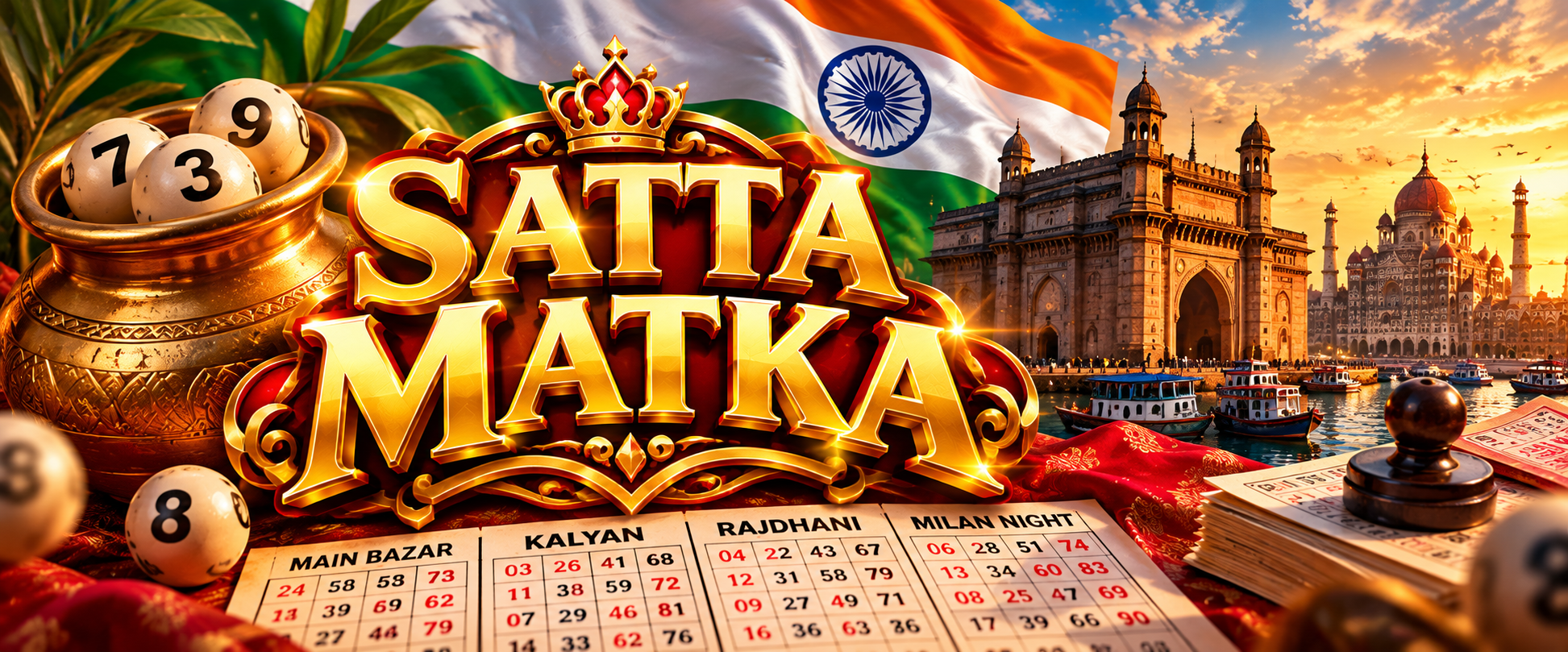
Satta Matka: Exploring Its History and Terminology
Satta Matka is a different subject altogether. Although it is frequently mentioned alongside Indian card games on gaming-related websites, it is a form of numbers-based gambling rather than a card game.
Its history is associated with betting on cotton rates and the later development of number-drawing systems. Over time, terms such as Ank, Jodi, Panna, Open and Close became associated with various Matka formats.
For readers encountering these expressions for the first time, understanding their historical meanings can be difficult.
Rummy Yola’s Satta Matka section is intended to explain its background, terminology and place in Indian gambling history. We will also discuss how its different formats are described and the legal and financial risks associated with gambling.
Our coverage is educational and does not provide betting predictions or guarantees of winning outcomes.
Three Topics, Three Different Experiences
Although Rummy, Teen Patti and Satta Matka are often discussed by similar audiences, their underlying mechanics are different.
| Topic | What it involves |
|---|---|
| Indian Rummy | Arranging cards into valid sequences and sets |
| Teen Patti | Comparing three-card hands according to established rankings |
| Satta Matka | A numbers-based gambling system with its own historical terminology |
Understanding these differences is useful before exploring more detailed articles. It also helps readers avoid confusing the rules of one game with those of another.
What Can You Expect From Rummy Yola Every Day?

A useful gaming blog should give readers a reason to return beyond simply publishing another article with a different title.
Rummy Yola is organised around regularly updated educational content, practical explanations and interesting subjects from Indian gaming culture.
Our editorial coverage focuses on game rules, beginner questions, comparisons between traditional formats, the history of familiar games and developments relevant to Indian readers.
We also intend to revisit existing articles when information changes or when a subject deserves a clearer explanation. An older article can remain useful when its examples, references and explanations are maintained.
For readers who prefer learning in smaller steps, individual articles will concentrate on specific questions rather than trying to explain every aspect of a game at once.
Why Understanding the Rules Matters
It is easy to recognise the name of a popular game without knowing exactly how it works.
Someone might know that Rummy involves sequences but remain uncertain about why a pure sequence is compulsory. Another person might have heard of Teen Patti without understanding the difference between a trail and a pair.
Learning these details makes it easier to follow conversations about the games and recognise when two similar-sounding terms have different meanings.
Our articles will therefore prioritise clear examples, explanations of common mistakes and references to established rules wherever possible.
For gambling-related topics, understanding the rules also means recognising that chance, financial risk and legal restrictions may be involved. Knowing how a game operates should not be confused with having a reliable way to predict its outcome.
Frequently Asked Questions About Rummy Yola
What is Rummy Yola India?
Rummy Yola India is an informational blog covering Indian Rummy, Teen Patti, Satta Matka and related gaming culture. Its articles are designed to explain game rules, terminology, history and topics that readers may encounter when exploring these subjects.
Will Rummy Yola publish new articles every day?
Our editorial goal is to provide daily content and maintain existing articles when relevant information changes. Publication frequency may vary depending on the subject and the research needed to produce an accurate explanation.
Is Rummy Yola suitable for people who are new to Indian card games?
Yes. Many articles are intended for beginners and explain familiar Indian games without assuming previous knowledge. More detailed articles will explore individual rules, variations and commonly misunderstood terms.
Are Rummy and Teen Patti the same game?
No. Indian Rummy generally involves arranging 13 cards into sequences and sets, while traditional Teen Patti involves three-card hands and a different ranking system. Their rules, objectives and gameplay are distinct.
Does Rummy Yola provide Satta Matka predictions?
No. Our Satta Matka coverage focuses on history, terminology and educational information. Number-based gambling outcomes are uncertain, and historical results cannot guarantee future results.
Stay Connected With Rummy Yola India
Indian gaming culture includes a wide range of traditional games, regional expressions and familiar stories. There is always another rule to understand, a historical detail to explore or a common misconception worth explaining.
Rummy Yola brings these subjects together for readers who want accessible information in English, whether they are discovering a game for the first time or returning to clarify something they have encountered before.
Explore our latest articles, discover the differences between familiar games and return for new discussions about Rummy, Teen Patti and Satta Matka.
Welcome to Rummy Yola India — your place to explore Indian gaming knowledge, one article at a time.